
Is It Selfish to Rest When Someone You Love Is Sick?
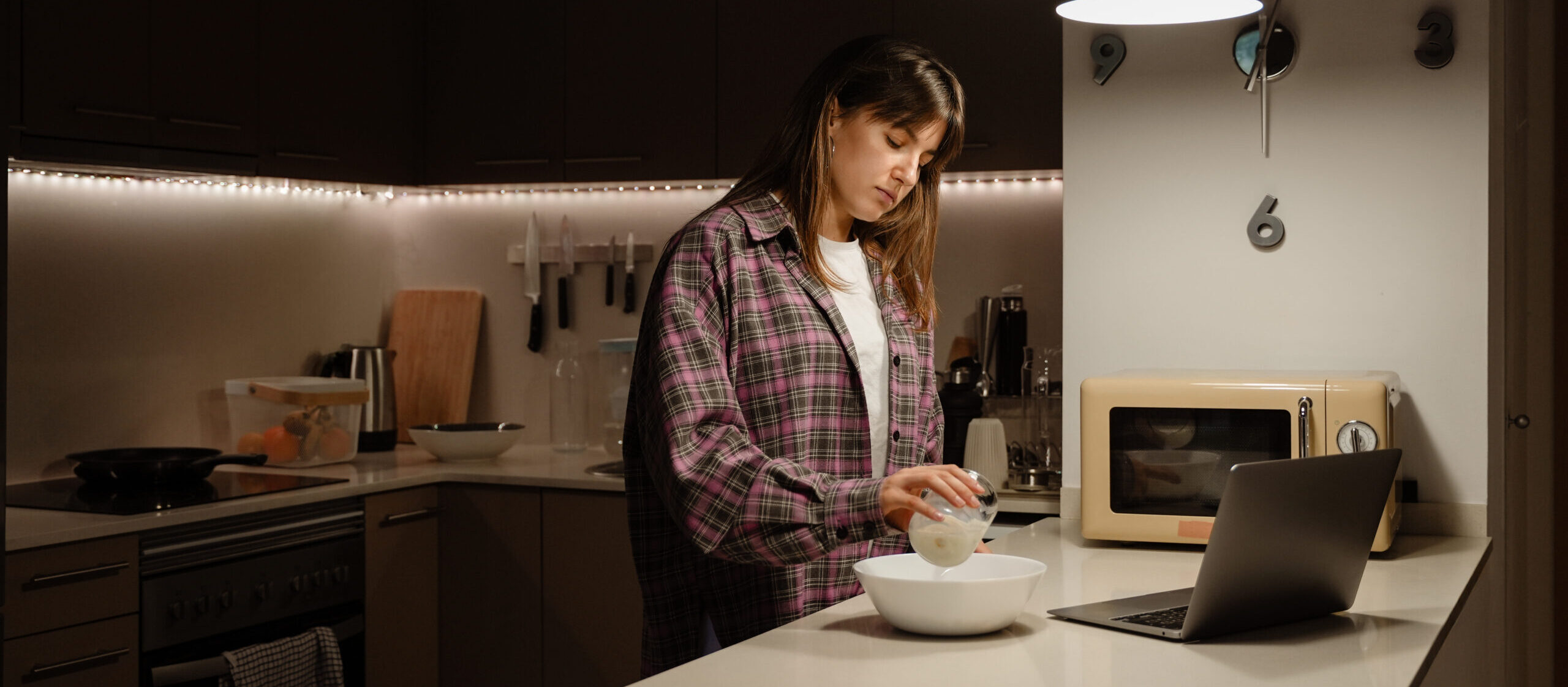
It’s eleven at night. The house is finally quiet, and you’re in the kitchen with your phone, looking up whether it’s allowed, whether you’re allowed, to want a few days away from this.
No. That is not selfish.
Rest isn’t time taken from those who are sick. It’s part of what keeps the care going.
Why does resting feel like abandoning them?
Because the guilt is built into the arrangement. When one person in a house is seriously ill, everyone else quietly reclassifies themselves as support staff, and support staff don’t get to be tired.
You’re not unusual in this. In the past year, 63 million Americans, one in four adults, cared for someone with a serious condition, according to the 2025 Caregiving in the U.S. report from AARP and the National Alliance for Caregiving. Of those caregivers, 64 percent report moderate-to-high emotional stress and 45 percent moderate-to-high physical strain. Nearly one in four say they feel alone, which is up from 21 percent in 2020. Feeling alone in this isn’t evidence you’re doing it badly. It’s something a quarter of the people doing it report.
Every cancer program accredited by the Commission on Cancer has to screen the patient for emotional distress at a pivotal visit during the first course of treatment. No standard requires anyone to screen the person in the waiting-room chair, or the seventeen-year-old doing homework beside her, or the sister who drove in from out-of-town because somebody had to.

Does emotional care actually change anything?
Yes. The best-studied version is early palliative care, which is not hospice, though that confusion costs families a great deal. Palliative care is symptom-and-support care delivered alongside treatment rather than instead of it: pain, nausea, sleep, anxiety, and the practical business of getting through a week. A 2025 meta-analysis in BMC Palliative Care pooling 23 trials found it improved quality of life and reduced anxiety, with depression improving in the programs that ran six months or longer. The trial that started the field, published in the New England Journal of Medicine in 2010, found fewer depressive symptoms among patients who received early palliative care: 16 percent, against 38 percent of those receiving standard care alone.
Respite, which is what we do at the A Week Away Foundation, has a younger research base, and the ARCH National Respite Network says so plainly in its own 2023 white paper: limited quantitative studies, few controlled designs, no reliable common measures. What that research does point toward is less depression, less stress, and less burden in the person doing the caring. What we have on top of it is more than 370 Respite weeks and what the families said afterward. That isn’t a clinical trial. We’d like it to be somebody’s, someday.
How do you sit with not knowing?
The waiting is its own condition. A 2023 review in the journal Cancers examined scanxiety, the dread that builds before a scan and peaks in the stretch between the scan and the results, which the review identified as the worst window of the cycle. In one of the studies it collected, caregivers reported those symptoms at a higher rate than the patients did. If you’ve white-knuckled a Tuesday afternoon waiting on a phone call while trying to look calm at dinner, that’s a documented experience, not a personal failing.
A nurse researcher named Merle Mishel spent decades on what makes an unknowable situation bearable. Her answer, published in 1988 and still standing, was other people. She classified social support as a “structure provider,” one of three things that give a formless situation enough shape to be endured. Not because other people have information. Because they’re counting the same days you are. The practical version of that is small: tell one person the actual calendar. The scan is Thursday, results come Monday, and Monday is going to be hard.
Where do you find people who already understand?
Closer than you’d think, and most of it costs nothing. Imerman Angels matches people one-to-one with someone who has been through the same diagnosis, and matches caregivers with other caregivers. The Cancer Support Community runs a free helpline at 888-793-9355 and free groups nationwide. Well Spouse Association exists specifically for husbands and wives doing this, with monthly peer groups and a membership that runs $39 a year.
In Lancaster, Hospice & Community Care’s Pathways Center for Grief & Loss offers counseling and support groups at no cost and without a referral. You don’t have to be a hospice family to walk in. The Healing Journey Foundation runs a free group at Lancaster Cancer Center on the first Monday of each month, open to patients, families, and caregivers alike, and is taking waitlist names right now.

Why a whole week, and not an afternoon?
Because an afternoon gets you out of the house and a week gets you out of the role. That distinction is the reason this organization exists.
In 2009, doctors found a tumor in the right parietal lobe of Caleb Walker’s brain. Six brain surgeries and five years of doctor visits followed. Somewhere in there, a friend gave him a week at a beach house, and this is what he wrote about what it did:
“There comes a time during the treatment when a person just needs a break. For me, those breaks have occurred in the form of vacations. Each one I have taken over the past four years has given me a sense of normalcy, if even for one week.”
He established A Week Away in March 2014 so other families could have that week. He passed that December, at twenty-three. More than 370 Respite weeks later, the sentence he built the whole thing on is still the whole idea: when you get away, you get to feel normal.
If someone in your household is in active treatment for a life-threatening illness and you live in one of our 15 Pennsylvania counties, you can start an application. We fund and coordinate the whole week: lodging, transportation, incidentals. It covers the patient and their immediate care team, meaning the people who have been carrying the load, related or not. The family’s share is zero.
If you’re reading this from the other side, near someone in it rather than in it yourself, supporting A Week Away is what puts the next family in a car with the windows down.
Nobody is required to look after the family. That doesn’t mean nobody does. A week away is where families find the peace they thought was lost.
Additional Frequently Asked Questions
What is a Respite week, and how is it different from respite care hours?
Respite care usually means paid substitute care, hours of in-home help so a caregiver can step out. A respite week is a different thing: the whole household goes somewhere together, away from the house where the illness lives. One gives the caregiver a few hours off. The other gives everyone a week.
Does it have to be a whole week?
No. Most trips last a week, but treatment schedules don’t always allow it, and long weekends or even day trips are options. Trips more than 150 miles from home may require additional documentation from the patient’s physician confirming that travel is medically safe.
What if the person who’s sick doesn’t want to go?
Not wanting to be a burden is a recognized part of serious illness. “Feelings of worthlessness or being a burden” appears on the NCCN Distress Thermometer, the standard emotional screening tool in U.S. cancer centers. It helps to frame the week as something the household needs, and to name the money worries out loud, since A Week Away covers the costs of the trip.
More on eligibility, destinations, timelines, and what’s covered: A Week Away’s full FAQ.